
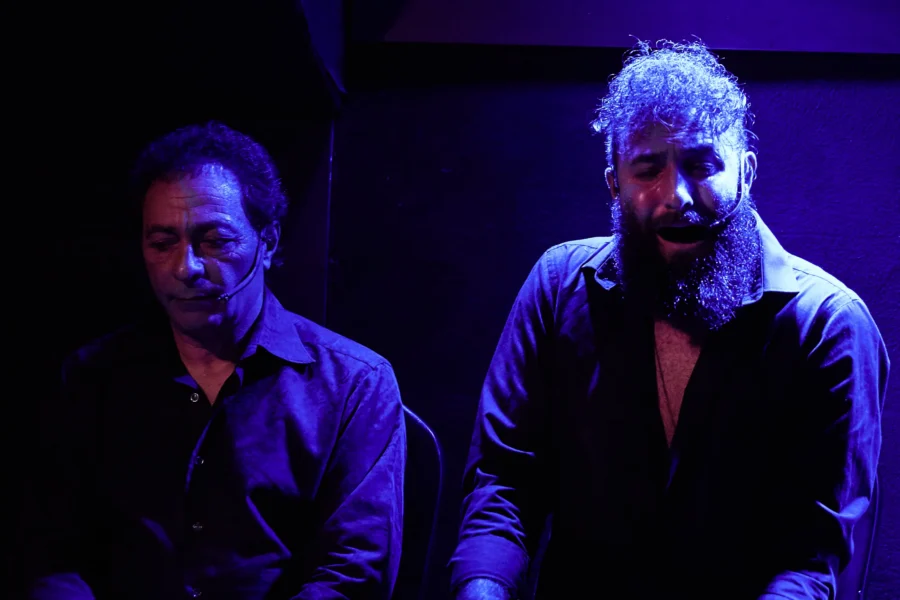
If flamenco had a floor, a point beyond which you can’t go any lower, that’s where the seguiriya would be. It’s the song of pain with no make-up on, the one you sing when you’ve run out of the will to pretend everything’s fine. Anyone who has truly heard it, in a silent room, knows what I mean. Anyone who hasn’t will struggle to believe a voice can do that.
What the seguiriya is
The seguiriya is one of the oldest and most serious palos in flamenco. It belongs to cante jondo, the deep song, and within it holds a special place: it’s the one that goes furthest in expressing suffering. Sorrow, mourning, death, abandonment. There’s no possible joy in a seguiriya, and that’s precisely its greatness.
It’s sung slowly, with a broken voice, wrenching out each line as if it cost something. It doesn’t seek to show off or to please. It seeks to tell the truth, even when the truth is ugly. That’s why many aficionados consider it the summit of cante: when a singer nails it, no one in the room is left indifferent.
Seguiriya or seguidilla: why they get confused
It’s one of the most common doubts, and it makes sense. The names are very alike and, in fact, they’re related. The flamenco seguiriya descends from the old Castilian seguidilla, a popular verse form that flamenco transformed completely into something else.
But today they’re not the same. The seguidilla is a broader poetic and musical form, present in many Spanish folk traditions. The seguiriya, spelled this way, is already the specific flamenco palo: cante jondo par excellence. If someone talks to you about a seguiriya in a tablao, they’re talking about flamenco, not Castilian verses.
The origin of the seguiriya
Like almost everything in flamenco, the origin of the seguiriya is lost in the fog. There’s no date, no author. What does seem clear is that it was born within the Roma communities of Andalusia, between Cádiz, Jerez and los Puertos, sometime in the 18th or 19th century.
It began as an almost funereal song, tied to the hard moments of life. Over time, the great voices polished it and gave it the form we know today. But its essence hasn’t changed: the seguiriya is still the place flamenco goes when it wants to talk about what really hurts.
The compás of the seguiriya
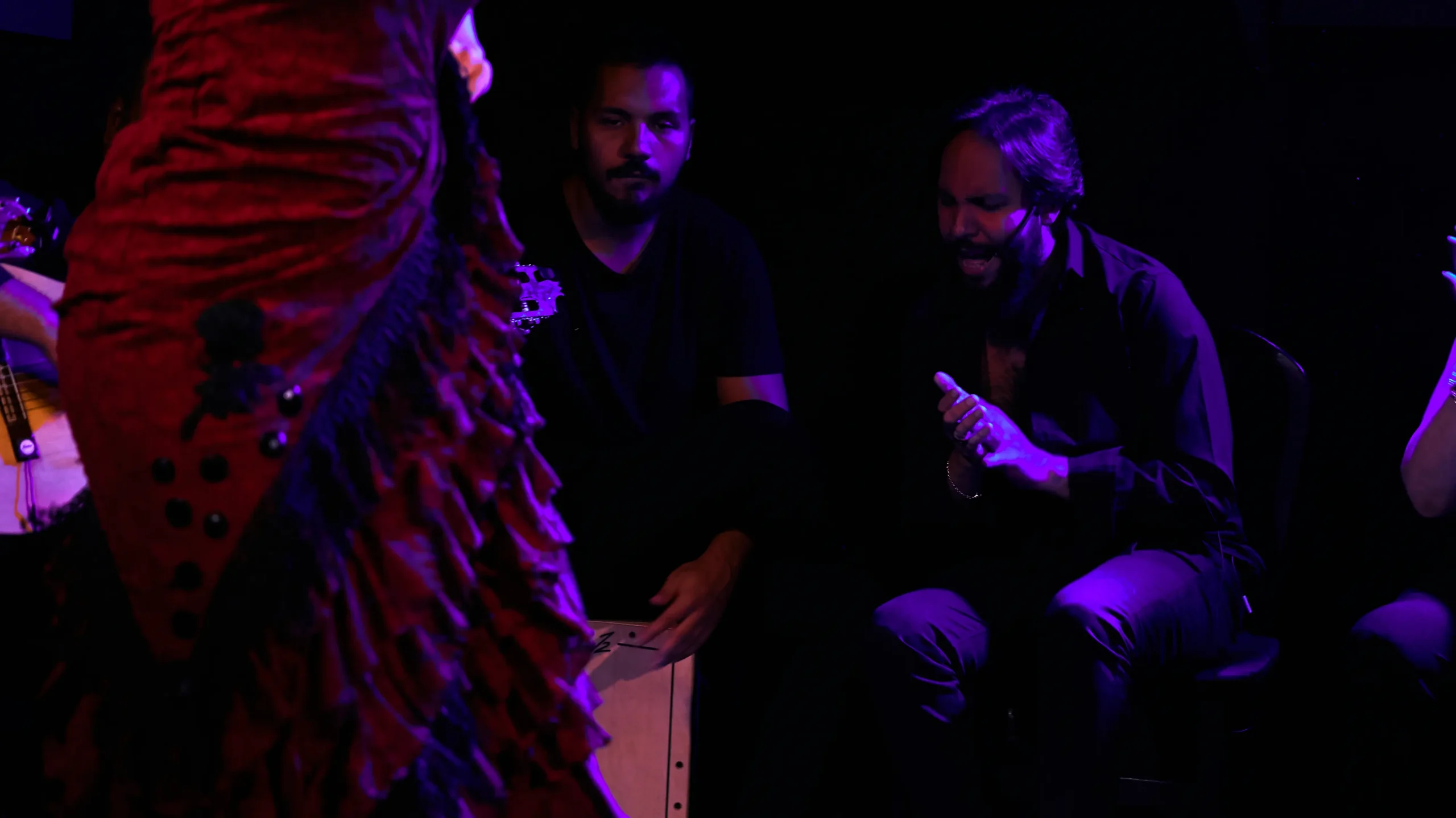
Here’s one of the most curious things about this palo. The seguiriya has a twelve-beat compás, like other cantes, but accented in such a particular way that it throws off even musicians with a good ear. It doesn’t land where you expect. It sways, it twists, it plays with silence.
That’s why accompanying a seguiriya takes such skill. The guitarist and the singer walk together across ground that always seems about to fall out of step and never does. That tension is part of what makes it so hypnotic to listen to.
Seguiriya and soleá: the two greats of cante jondo
If you had to keep just two palos to understand cante jondo, these would be the ones. The soleá and the seguiriya are the two pillars holding up the deepest part of flamenco, and they’re often named together.
The difference is in the character. The soleá is solemn, restrained, almost majestic; they call it the mother of the cantes. The seguiriya is more extreme, more raw, more on the edge. If the soleá is pain with dignity, the seguiriya is pain unfiltered. Both are peaks, but they take you to different places.
The seguiriya live at a tablao
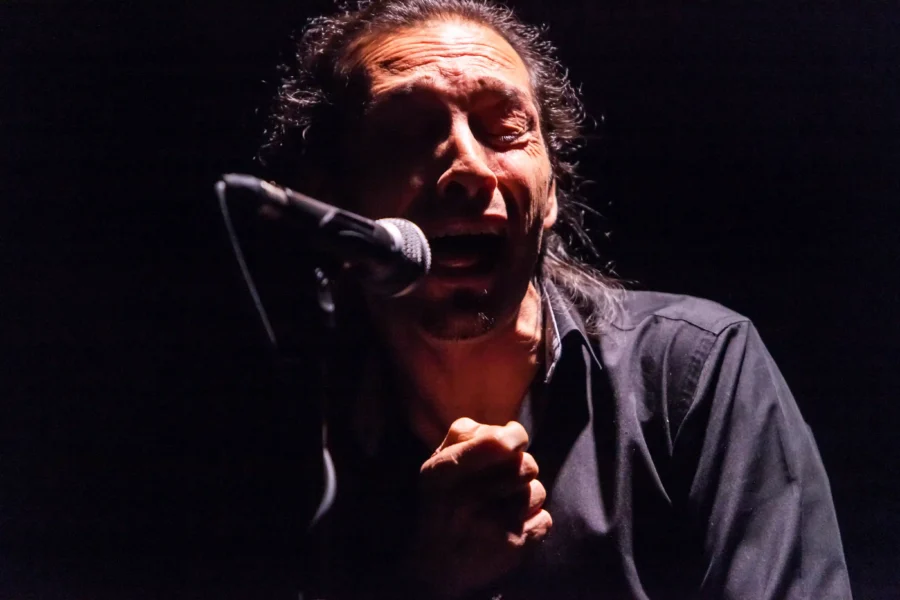
A recorded seguiriya is fine, but it’s missing the essential thing. This is a cante that needs the live setting, the silence of the room, the singer’s face, that sense that what you’re watching can never be repeated the same way again.
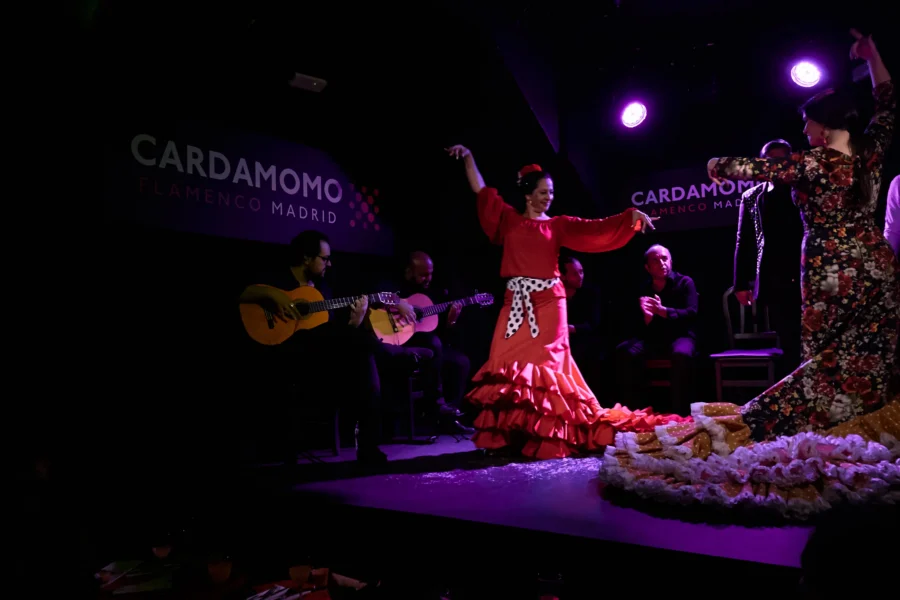
At a tablao, just a few metres away, a well-sung seguiriya leaves you speechless. You don’t need to know about flamenco to feel it; the body understands on its own. If you want to see for yourself, you’ll live it at a flamenco show in Madrid, which is where this cante takes on its full meaning.