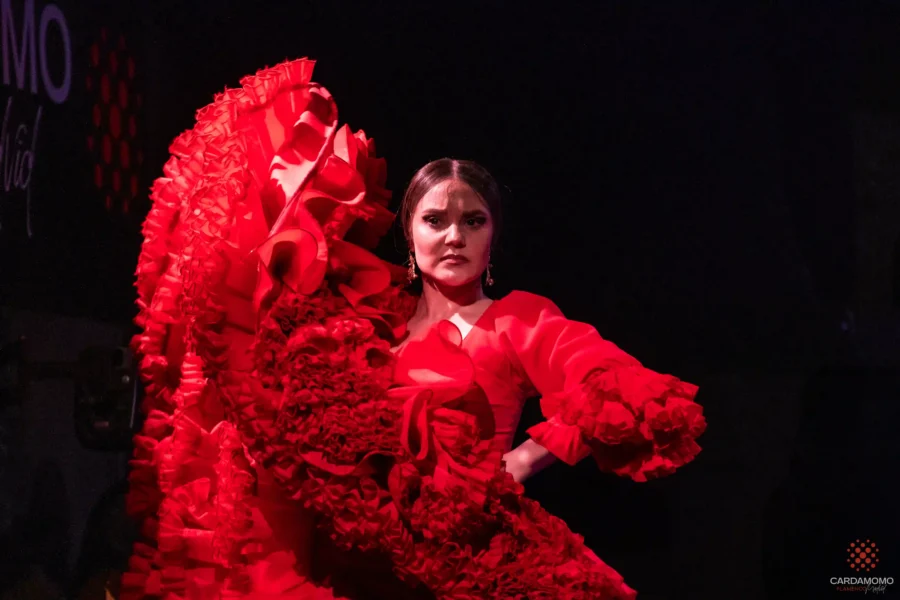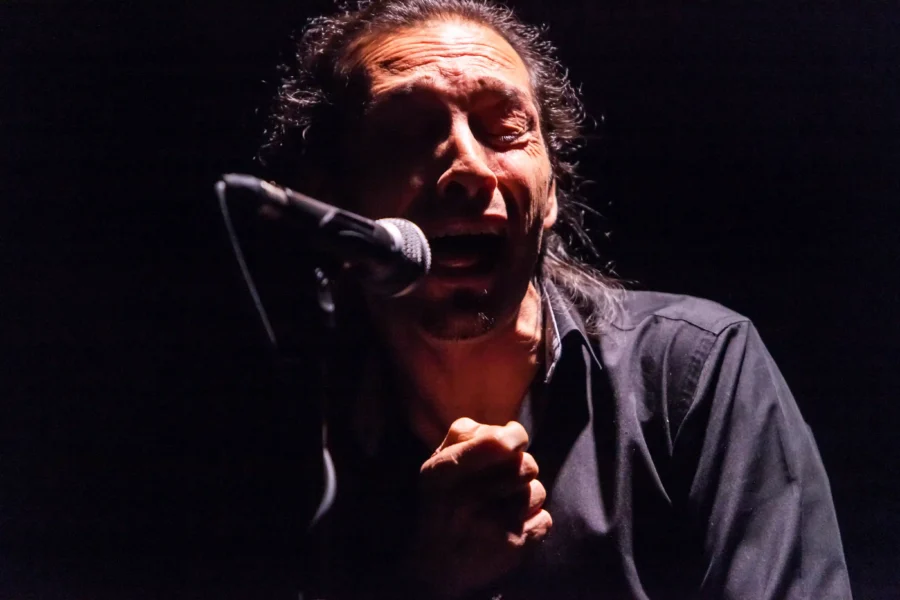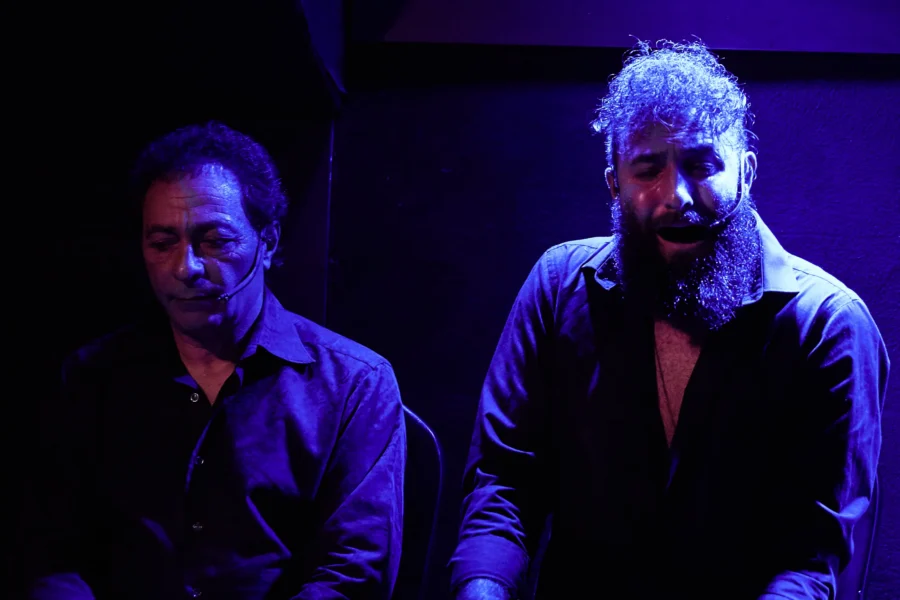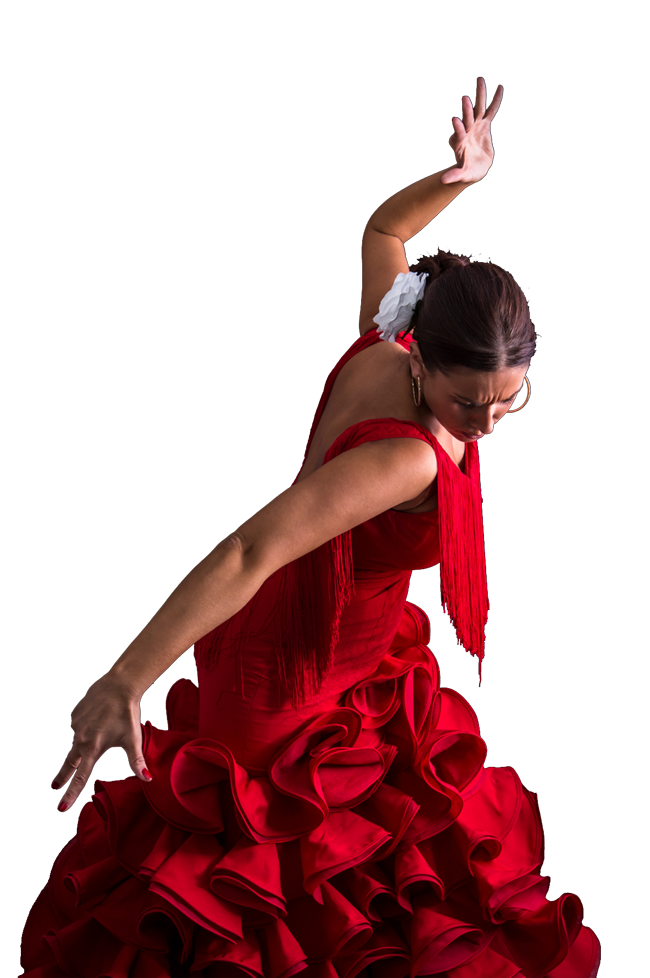

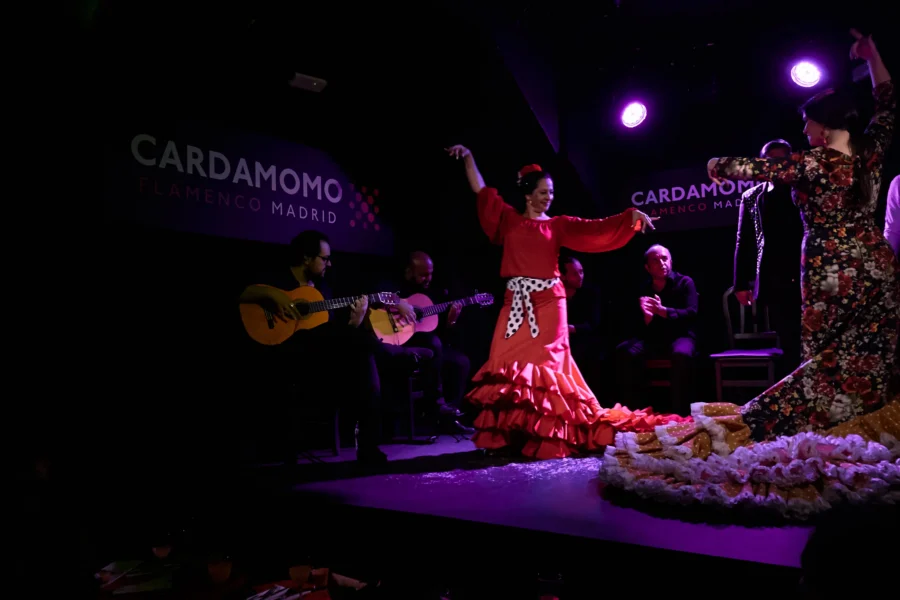
Every 16 November, the whole world surrenders to an art born in the south of Spain that today moves audiences on all five continents. It’s International Flamenco Day, and the date is no accident: it marks the day flamenco entered history through the front door.
When is Flamenco Day and why that date
Flamenco Day is celebrated on 16 November. And there’s a very specific reason behind it. On that same day, in 2010, UNESCO declared flamenco an Intangible Cultural Heritage of Humanity. It’s not a symbolic date chosen at random, but the anniversary of a recognition that changed everything.
Since then, every 16 November fills with concerts, masterclasses, exhibitions and shows across Spain and much of the planet.
What the UNESCO declaration meant
For UNESCO to declare something a Heritage of Humanity is no minor formality. It means that cultural treasure no longer belongs only to those who created it, but to all of humanity, and that there’s an international commitment to protect it and pass it on to those who come after.
Flamenco’s candidacy was presented jointly by Andalusia, Extremadura and Murcia, the three lands where this art sinks its deepest roots. And UNESCO valued the whole: cante, dance and guitar as one living entity, passed down from generation to generation in homes, in peñas and in tablaos.
Flamenco, far more than a show
To reduce flamenco to a pretty dance would be to stay on the surface. Flamenco is a way of understanding life. A language that names what words almost never can: sorrow, rage, joy, duende.
Its three pillars — cante, dance and guitar — intertwine in every performance. And within each one lies a whole universe: the palos, those families of styles with names of their own that run from the most solemn seguiriya to the most festive bulería. If you want to understand it better, take a look at our guide on what the flamenco palos are.
How Flamenco Day is celebrated
On 16 November the institutions throw themselves in. The Andalusian Institute of Flamenco programmes activities, conservatories open their doors, peñas put on special nights and many tablaos prepare performances for the occasion.
It’s also a day very present in schools, where flamenco is brought to the youngest through workshops. And on social media the arte jondo trends for twenty-four hours, with artists from around the world sharing the way they live it.
Experiencing Flamenco Day in Madrid
You can read about flamenco. You can listen to it at home. But nothing compares to feeling it live, a few metres away, in the half-light of a tablao. And Madrid, as the capital, is one of the great stages of flamenco in the world.
At Cardamomo, a reference for flamenco in Madrid since 1994, cante, dance and guitar come together live every night of the year — and very especially on 16 November. Celebrating Flamenco Day by watching it born on stage is the best way to honour what UNESCO recognised. Book your flamenco show in Madrid and live the date as it deserves.