
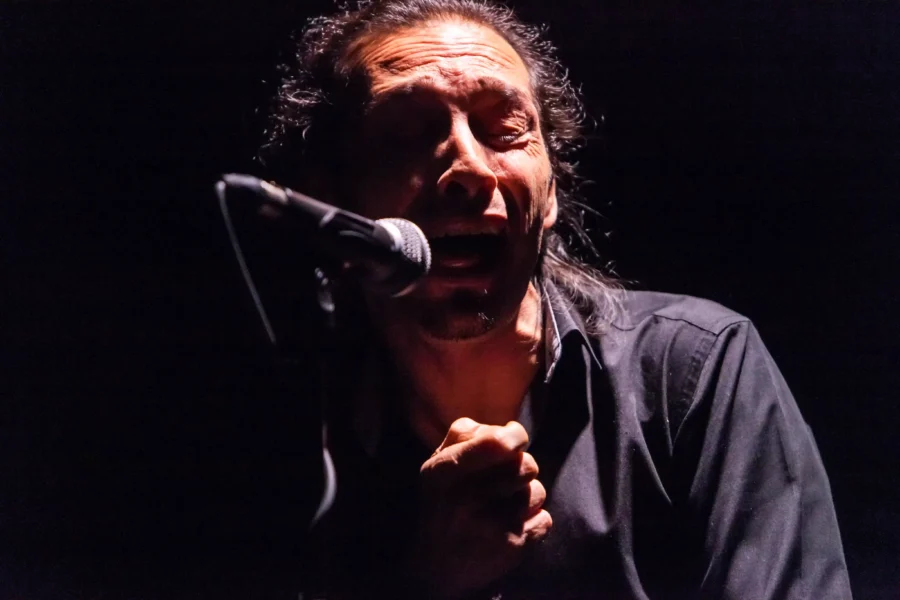
There’s a moment in some shows when everything stops. The dancer freezes, the guitar drops, and all that’s left is a raspy voice holding an impossible note. Your skin prickles and you’re not quite sure why. That, almost certainly, is cante jondo. And although it’s been with us for centuries, it remains the hardest thing in flamenco to explain.
What cante jondo is
Cante jondo means, literally, deep song. Profound. And the name is no accident: it’s the most serious and ancient branch of flamenco, the one that goes straight for the big emotions, without ornament. Pain, death, abandonment, black sorrow. It isn’t music to liven up a party; it’s music to look straight at what hurts.
It’s sung with the voice bare, often almost without guitar, and it demands a kind of surrender not every artist has. That’s why, when it appears for real, when the singer empties himself out, what arises is what flamenco people call duende: that shiver that can’t be faked or rehearsed.
Cante jondo and cante flamenco: are they the same?
Not exactly, and it’s worth clearing up because they get confused a lot. Cante flamenco is the whole thing: every style, from the most festive to the gravest. Cante jondo is just one part, the deepest of them all.
Put another way: all cante jondo is cante flamenco, but not all cante flamenco is jondo. Some cheerful bulerías are pure flamenco, but they aren’t jondo. A seguiriya that seems torn from the soul, yes. The difference isn’t in the rules, it’s in the depth.
The origin of cante jondo
Nobody signed cante jondo’s birth certificate, so its origin is reconstructed by feel. What we do know is that it sinks its roots into the Andalusia of centuries ago, in the crossing of cultures that shaped flamenco: the Roma, the Andalusian, the Arab, the Jewish. Out of that came a song unlike anything else.
There was a key moment, though. In 1922, in Granada, Federico García Lorca and the composer Manuel de Falla organised the Cante Jondo Contest. They wanted to rescue and dignify an art they saw at risk of being lost, or of turning into tavern entertainment. That contest put cante jondo on the serious map of Spanish culture, and it hasn’t moved from there since.
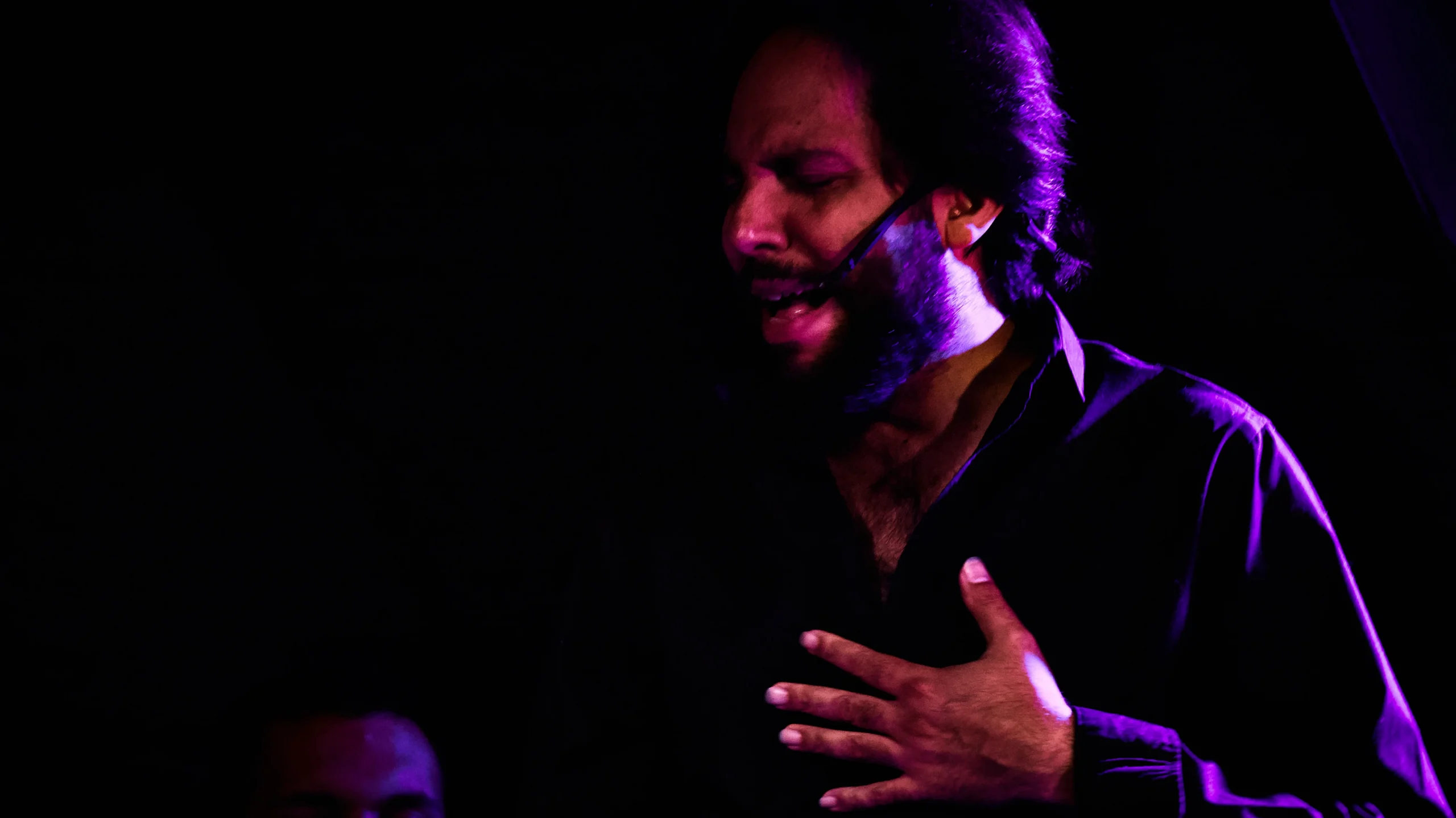
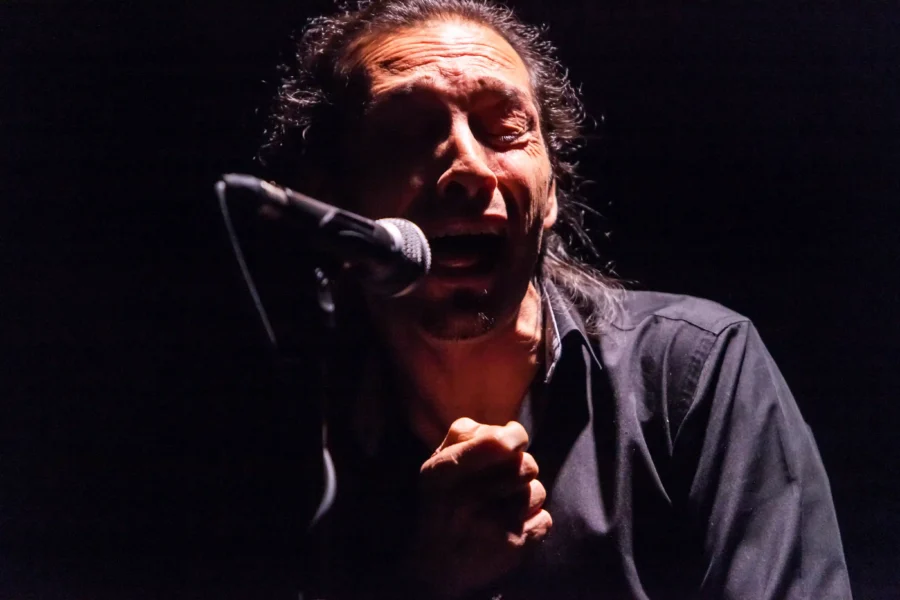
The singer el Cancu during a cante jondo performance at Cardamomo Flamenco Madrid.
The palos of cante jondo
Not every flamenco palo belongs to cante jondo. Only the deepest ones, the ones carrying that emotional weight. There are three main families:
The seguiriya, probably the most heart-rending of all, the song of pain par excellence. The soleá, rightly called the mother of the cantes, solemn and deep. And the tonás, martinetes and carceleras, primitive songs performed without guitar, sometimes only with the blow of a hammer in the forge. Around them turn other related palos, but the heart of cante jondo beats in these.
Why cante jondo moves you like no other cante
Here’s the curious thing: you don’t need to understand the words for it to reach you. There are people who don’t speak a word of Spanish and walk out of a tablao with damp eyes after a seguiriya. How do you explain that?
Well, you can’t quite explain it, and part of its power lies right there. Cante jondo doesn’t seek to please, it seeks to stir. It’s one of the few kinds of music that don’t ask permission to move you. The voice breaks on purpose, goes to the extremes, and the body responds before the mind understands anything. What you’re hearing is centuries of people singing to what hurt them most.
Cante jondo live at a tablao
However much you read about it, cante jondo isn’t understood until you have it in front of you. On a recording it loses half; it lacks the silence of the room, the singer’s breathing, that tension of not knowing how far the voice will go.
Live, just a few metres away, it’s another thing entirely. And it’s probably the best way to understand what we mean when we talk about the soul of flamenco. If you fancy experiencing it, you’ll find it at a flamenco show in Madrid, where cante jondo is lived as it should be lived: in the raw.