
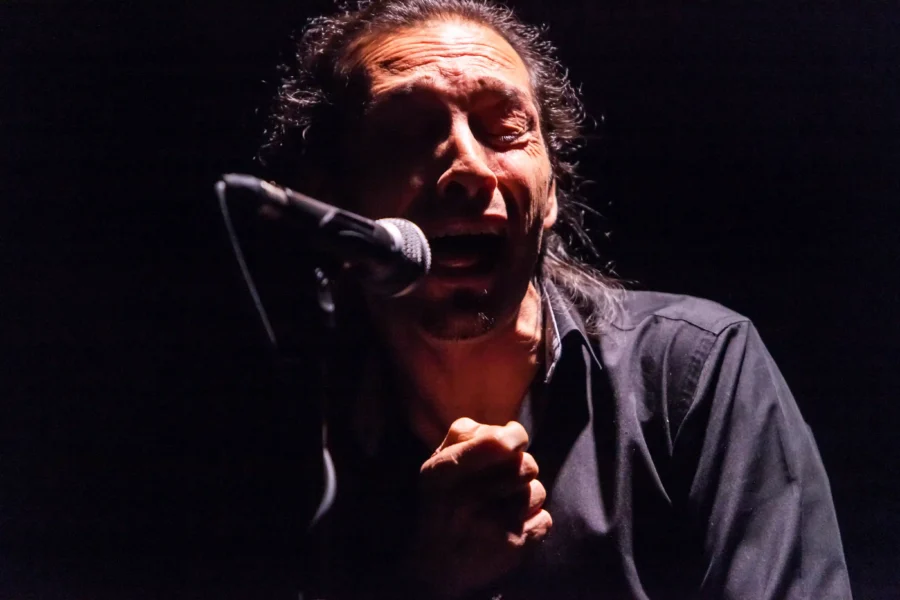
If there’s one palo that sums up the soul of flamenco, it’s this one. The soleá is neither the fastest nor the flashiest, but it is the deepest: the one flamencos call “the mother” of the cantes. To hear it well sung is to look into the very heart of the arte jondo.
What the soleá is in flamenco
The soleá is one of the fundamental palos of flamenco, a grand, serious and solemn cante accompanied by guitar that also serves for dance. Its name comes from “soledad” (solitude), and that’s no coincidence: in its lyrics and its melody lives a deep melancholy, that of someone singing what weighs on them inside.
It’s also known in the plural, soleares, because it isn’t a single cante but a whole family of styles with a common root. Yet they all share that gravity, that air of unadorned truth that sets it apart from the rest.
The origin of the soleá
The soleá was born in lower Andalusia over the course of the 19th century, between Seville and Cádiz, in the heart of flamenco Andalusia. Triana, Utrera, Lebrija, Alcalá, Jerez, Los Puertos… each land polished its own way of singing it, which is why there are as many soleares as there are towns that nurtured it.
It’s believed to have evolved from older festive cantes and dances that gradually became slower and more serious until they crystallised into what we know today. From a cante for dancing it became a cante for listening, and along that path it gained all its depth.
The compás of the soleá: structure and rhythm
The soleá moves in a twelve-beat compás, the same rhythmic skeleton shared by other great palos like the seguiriya or the bulerías, though each accents it in its own way. In the soleá, the accents fall on beats 3, 6, 8, 10 and 12.
That twelve-beat compás is the backbone of flamenco, and mastering it takes years. That’s why, when a group enters in compás por soleá and everything fits — guitar, cante, palmas and dance — something happens that’s hard to put into words: you have to feel it.
Characteristics of the cante por soleá
The soleá is an unhurried, majestic cante that gives the singer all the space in the world to shine. There’s no rush. Each tercio stretches, holds, is let fall. It’s a cante that demands truth: it allows no trickery or empty ornament, because it shows at once.
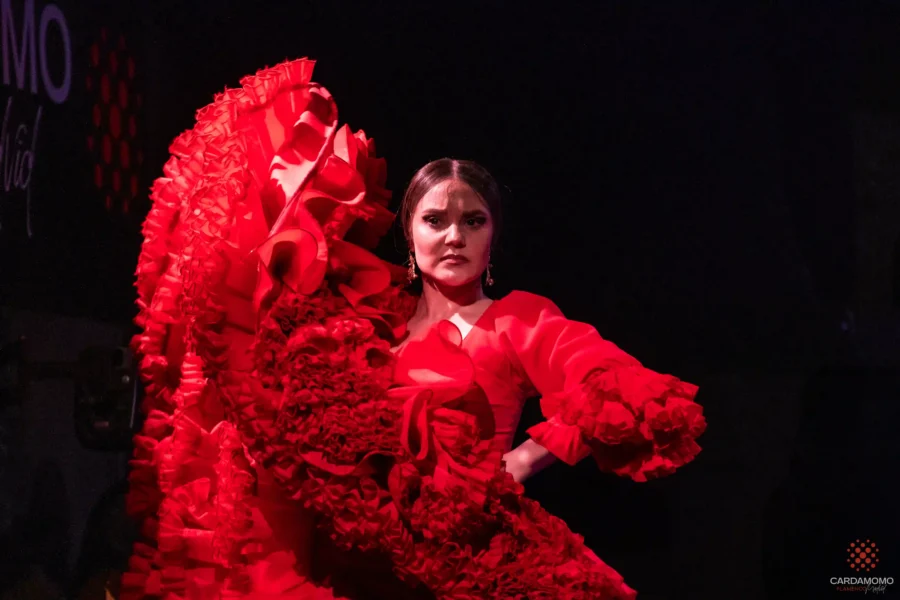
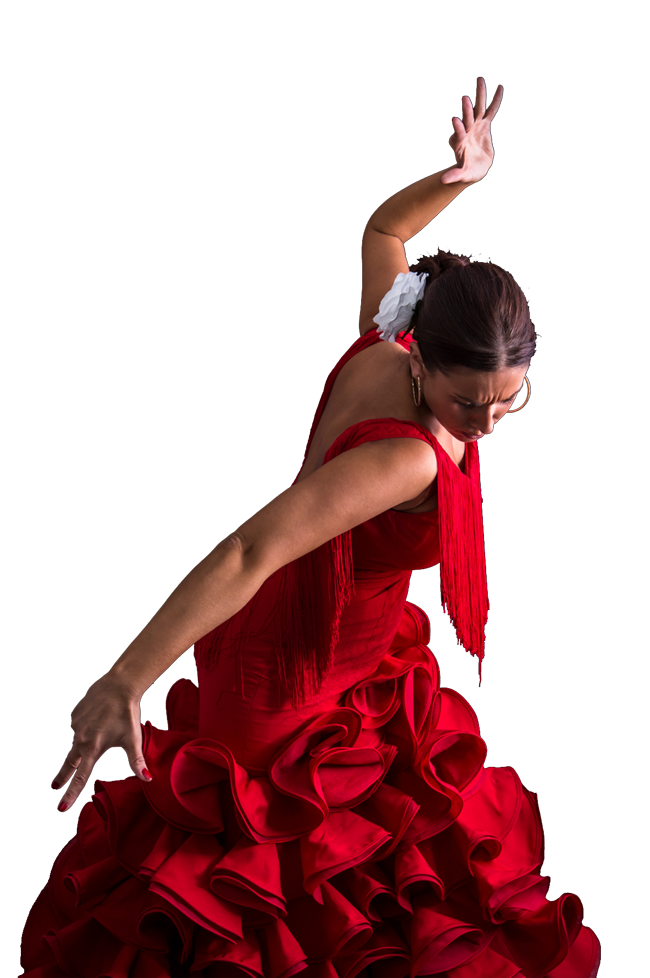
In dance, the soleá por bulerías and the danced soleá call for poise and elegance, that command of the body that knows when to hold back and when to erupt. It’s one of the cantes that best separates the artist from the one who merely does steps.
The soleá and its relationship with other palos
The soleá is the great matriarch. Many other palos drink from it: the cañá, the polo, and above all the alegrías and cantiñas, which are essentially its bright, festive side. And together with the seguiriya it forms the most solemn pair of the cante jondo, the two peaks of flamenco depth.
To understand the soleá is, to a large extent, to understand where almost all the others come from. That’s why aficionados call it “the mother”: because in it lies the seed of so much.
The soleá live: how it’s experienced in a tablao
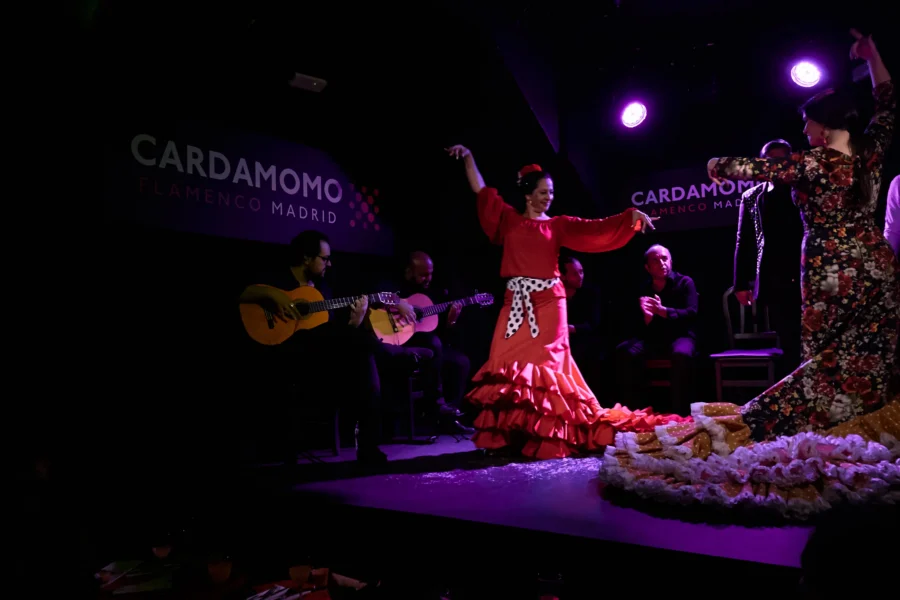
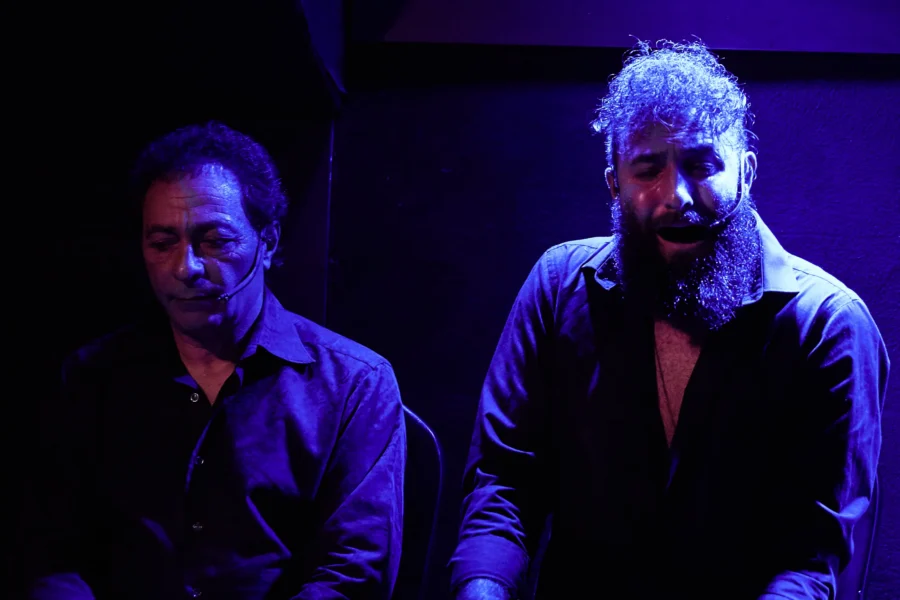
Recorded, the soleá moves you. Live, it overwhelms. When a singer starts up por soleá in a tablao and the place falls silent, you understand at once why this palo is what it is: the voice fills the space, the guitar sustains, and time seems to stop.
At Cardamomo, a reference for flamenco in Madrid since 1994, the soleá is one of those moments that leave a mark. Hearing it a few metres away, with no microphones in between, is the best way to understand why it’s considered the deepest palo of flamenco. Come and feel it live.