

The 80s had been about transition. The 90s were something else. In those years cante lost its biggest figure and, almost at the same time, saw the arrival of the voices that would rule the next three decades. Strange, isn’t it? Well, that’s how it went.
Flamenco in the 90s: from mourning to reinvention
The decade started with a huge void. That feeling that an era was closing hung around the whole time. But flamenco didn’t fall apart — quite the opposite. There was a generation of singers raised in the purest tradition who decided that respecting it didn’t mean standing still.
And something curious happened: cante climbed onto the big stages. It signed with major labels. It started playing on radio stations that had never given it a second look. It left the tablao —without abandoning it, mind you— and moved into auditoriums, festivals and even the sales charts. What the flamenco singers of the 80s had begun, this lot took all the way.
Flamenco singers of the 90s who marked the decade
José Mercé
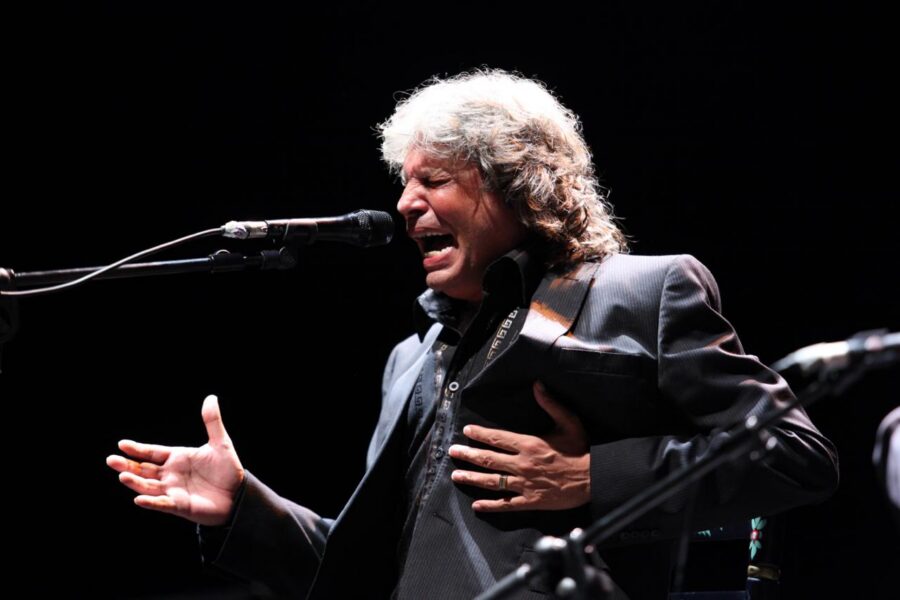
Jerez, pure school. By the 90s Mercé was already one of the greats of cante jondo. He came from years of accompanying the dance, which is where you really learn, and it showed. All that grounding set him up for the leap to a mass audience he’d make at the end of the decade. He proved something important: you can reach everyone without lowering the depth one bit.
Miguel Poveda
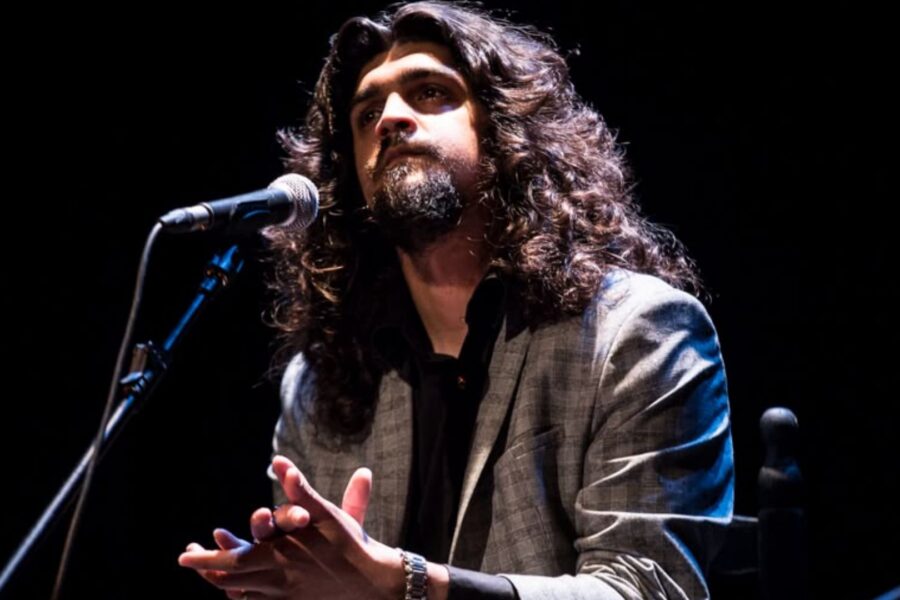
The bombshell of the decade. At twenty he took the Lámpara Minera at the Festival del Cante de las Minas, and flamenco had no choice but to take note. Catalan, no less. Poveda buried the idea that cante could only come out of Andalusia and opened the door for a whole crowd coming up behind him.
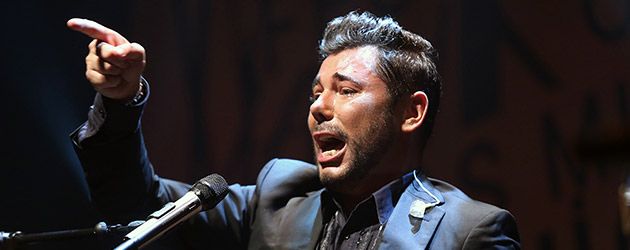
Miguel Poveda performing live. Photo: Rafa Manjavacas / DeFlamenco.com
Niña Pastori
From Cádiz, very young, with a tone you recognise instantly. She appeared in the mid-90s under the wing of the big names of the moment. Her flamenco had roots, but it wasn’t afraid of a popular melody, and that hooked a huge audience. One of the most beloved female voices of modern cante, no question.
Diego El Cigala
In the 90s that broken voice was slowly cooking, the one that would later make him famous across half the world. From Madrid, of a gypsy family, he toughened up accompanying the dance and sharing stages with the greatest. Everything he sowed in this decade he’d harvest in the next. You could already see it coming.
The explosion of nuevo flamenco
The 90s make no sense without the mix. Flamenco started talking on equal terms with jazz, rock, copla, Latin music. What used to be a scandal became the norm. And a new label appeared, nuevo flamenco, to lump in all those artists who respected the roots but stretched the seams. Labels, festivals, young kids buying records… cante stopped asking permission to reinvent itself.
The legacy of the flamenco singers of the 90s
This generation was a bridge. On one side, tradition; on the other, the flamenco that today fills theatres everywhere. Mercé, Poveda, Niña Pastori and El Cigala made it clear that you can honour cante jondo and, at the same time, take it to people who’d never set foot in a tablao in their lives.
The cante you hear live today in a flamenco tablao comes from there. From those years, from that daring, from young voices that refused to leave flamenco standing still. And seeing it live is still, by far, the best way to understand why the 90s changed everything.