
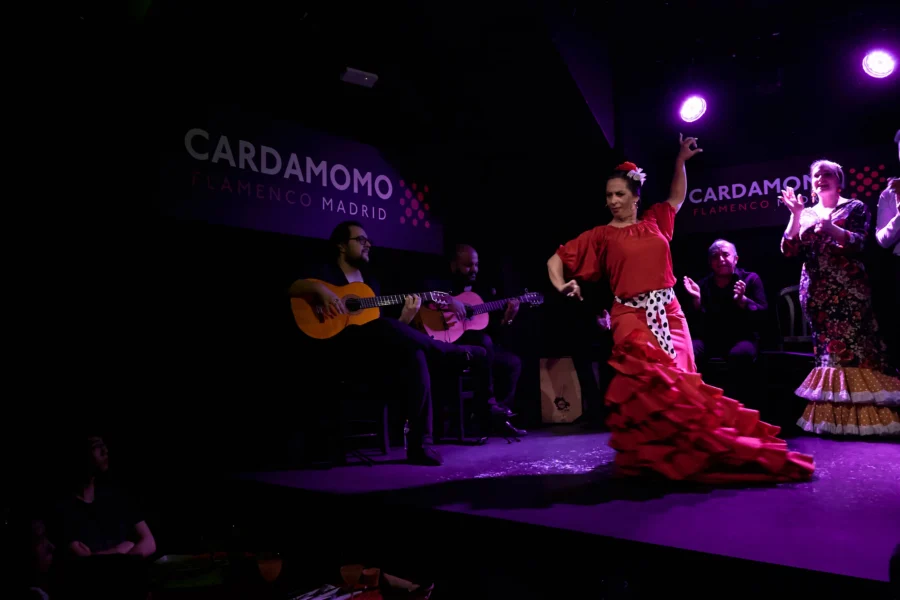
You recognise flamenco dance before you understand it. The strike of the foot on the wood, the arms drawing in the air, that tension that always seems about to snap and never does. But behind what you see there are centuries of history and a language of the body that you don’t learn in a day.
What flamenco dance is and where it comes from
Flamenco dance is one of the three pillars of flamenco, alongside the cante (singing) and the toque (guitar). And although today we associate it with grand stages, its origin is far humbler: it was born in Andalusia, among the gypsy and Andalusian communities, as a spontaneous form of expression at parties, gatherings and moments of everyday life.
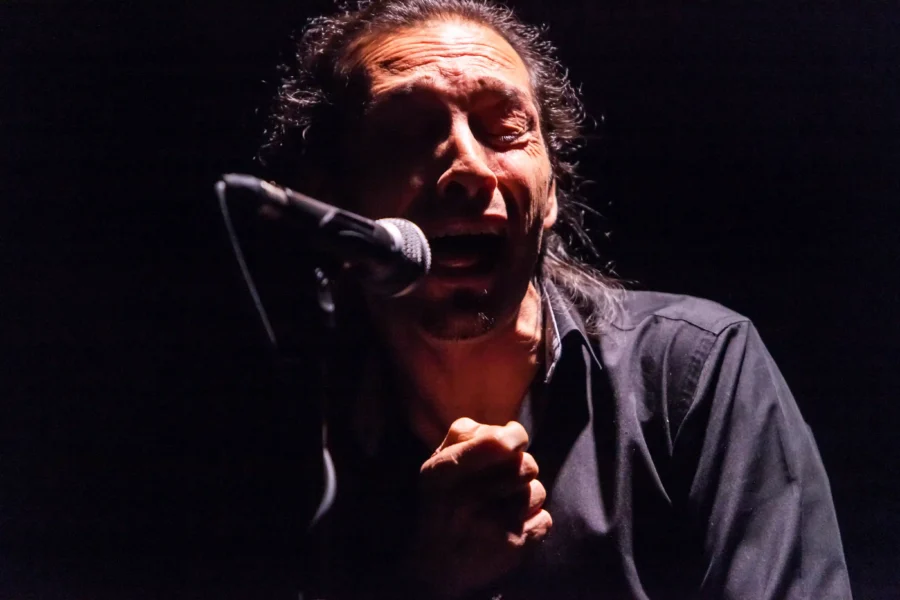
There was no choreography. There was feeling. The dance grew out of the cante, responded to the guitar, was built in the moment. That improvised root is still there, no matter how far flamenco has since travelled to theatres all over the world.
The keys to flamenco dance
Flamenco dance has a vocabulary of its own. Every part of the body counts, and mastering just one of them takes years.
The zapateado
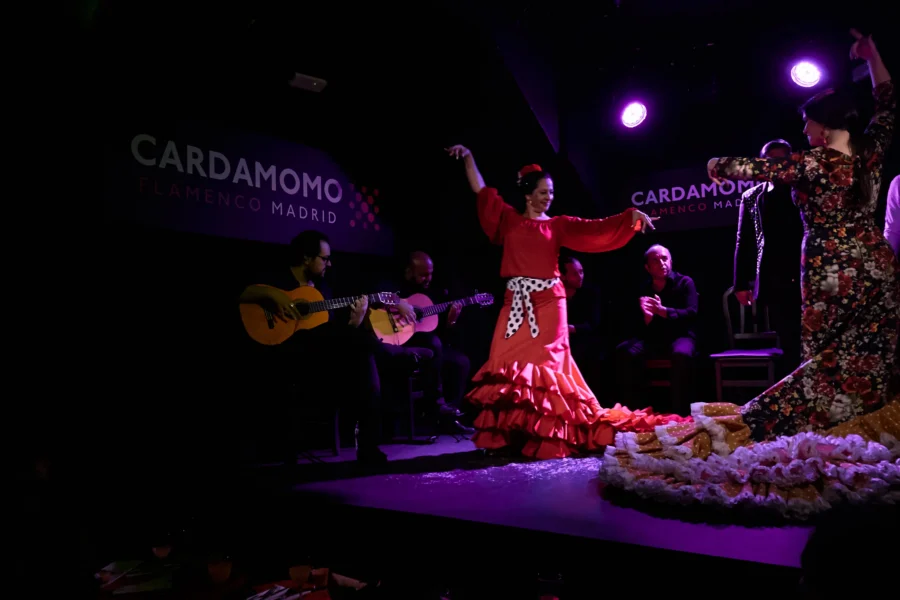
It’s the first thing that grabs you: the feet marking the compás against the floor, at a speed that astonishes. The zapateado is pure rhythm, percussion made with the body. The bailaor or bailaora becomes one more instrument within the cuadro flamenco, in dialogue with the guitar and the palmas.
The braceo and the hands
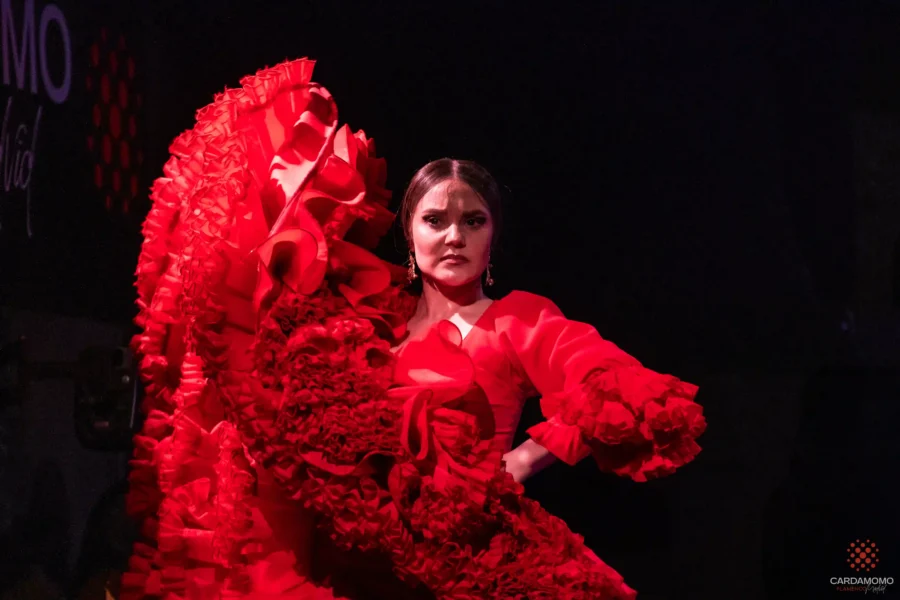
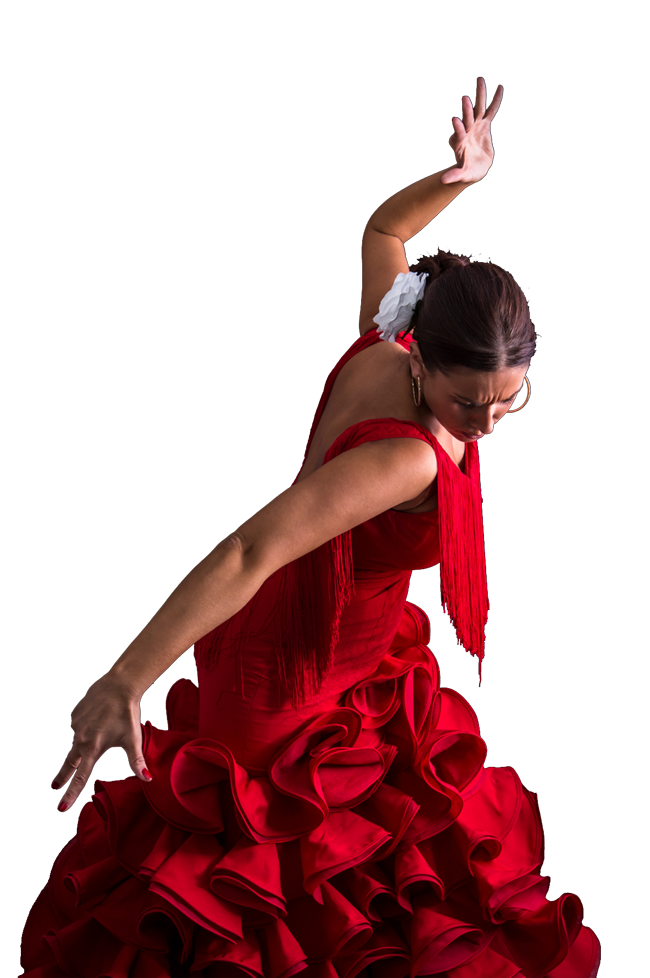
If the feet are the power, the arms are the elegance. The braceo —the movement of the arms— and the floreo of the hands give the dance its most lyrical side. It’s the part that looks simple and absolutely isn’t: every turn of the wrist has intention, every arm is saying something.
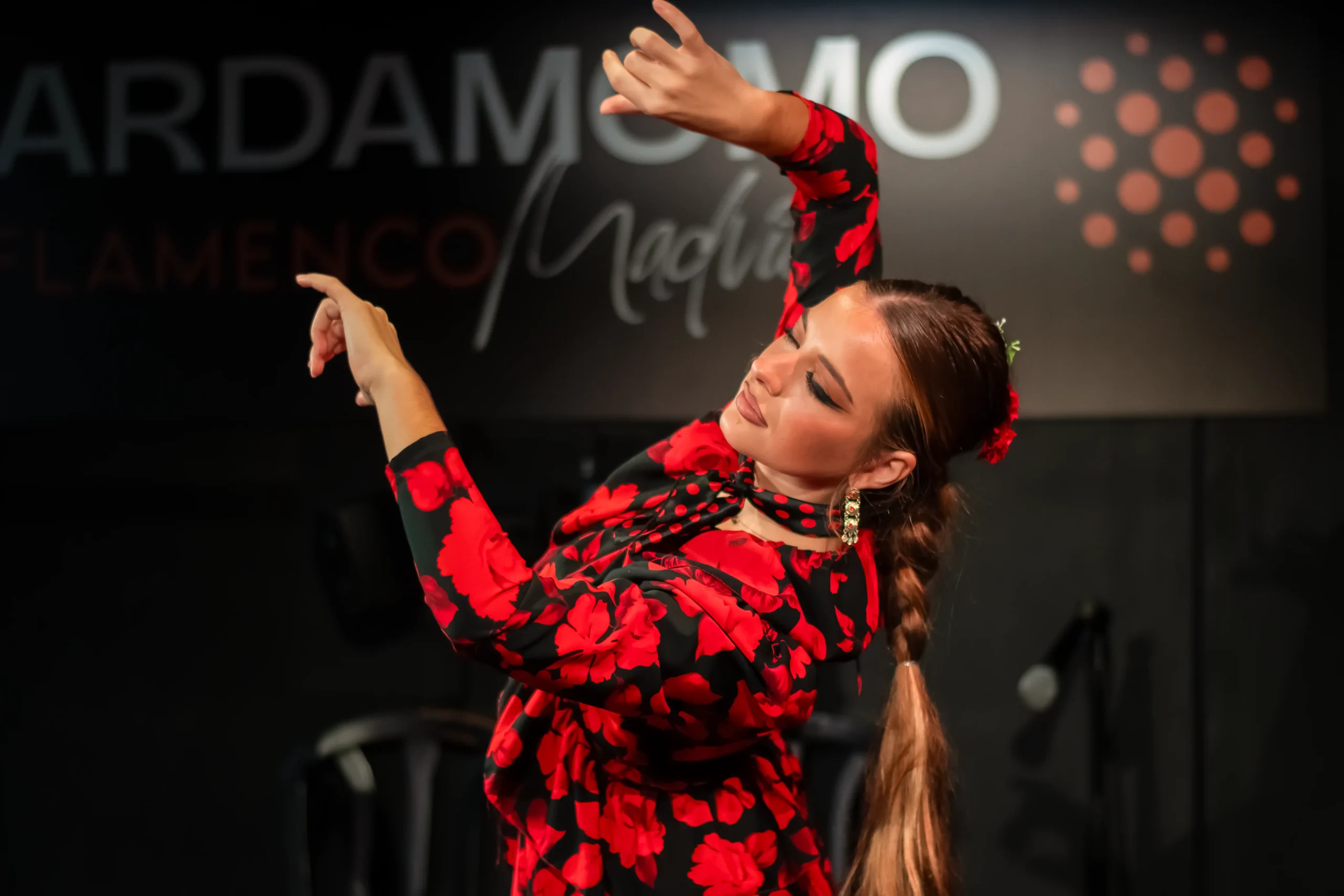
The braceo of dancer Paula Moreno, one of the keys to flamenco dance, live at Cardamomo.
Flamenco dance, Intangible Cultural Heritage
In 2010, UNESCO declared flamenco an Intangible Cultural Heritage of Humanity. Not just the dance: the complete art, with its cante and its toque. But the dance is, probably, its most universal face, the one that crosses languages without needing translation.
That recognition confirmed something aficionados already knew: that flamenco isn’t just a tourist show, but one of the great artistic expressions this country has produced. Getting to know the main palos of flamenco helps you understand why each dance sounds and feels different.
Flamenco dance live at a tablao
However much you explain it, flamenco dance has to be seen. At a tablao, just a few metres away, you suddenly grasp everything that words can’t reach: the sweat, the breathing, the exact moment the bailaor looks at the cantaor and they both know what’s coming, even though they never rehearsed it.
That’s the magic of live performance, and it’s impossible to reproduce in a video. If you want to experience it for real, the best thing is a flamenco show in Madrid.