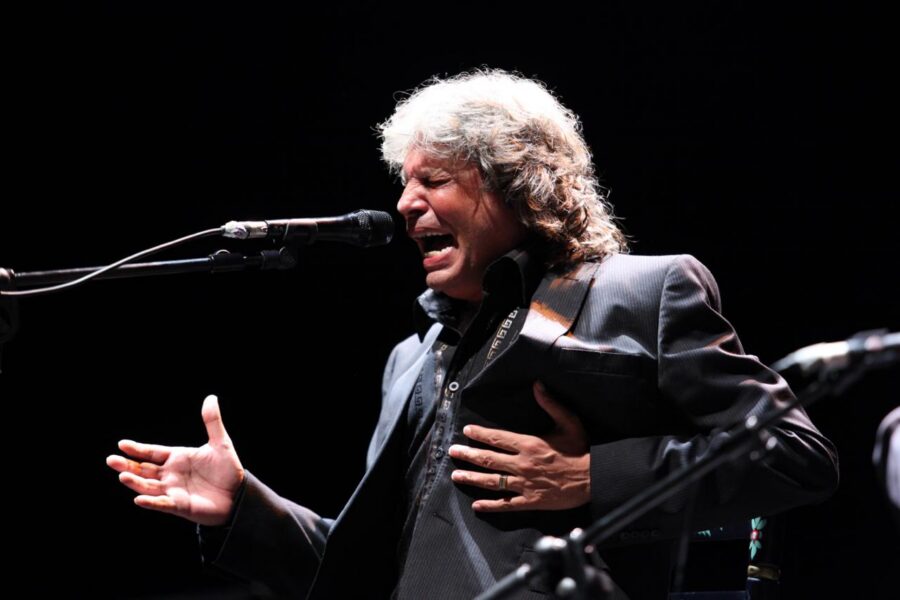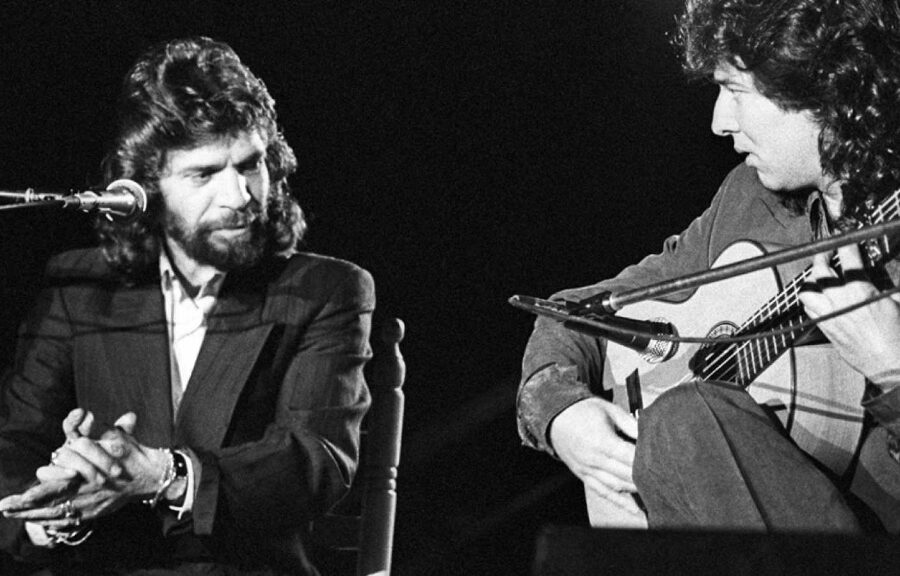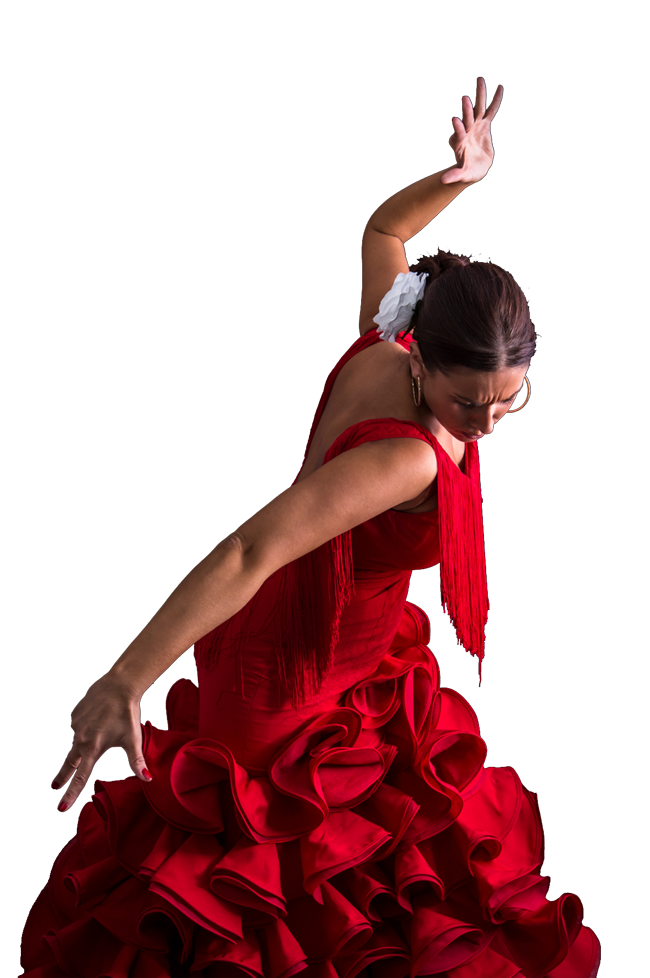

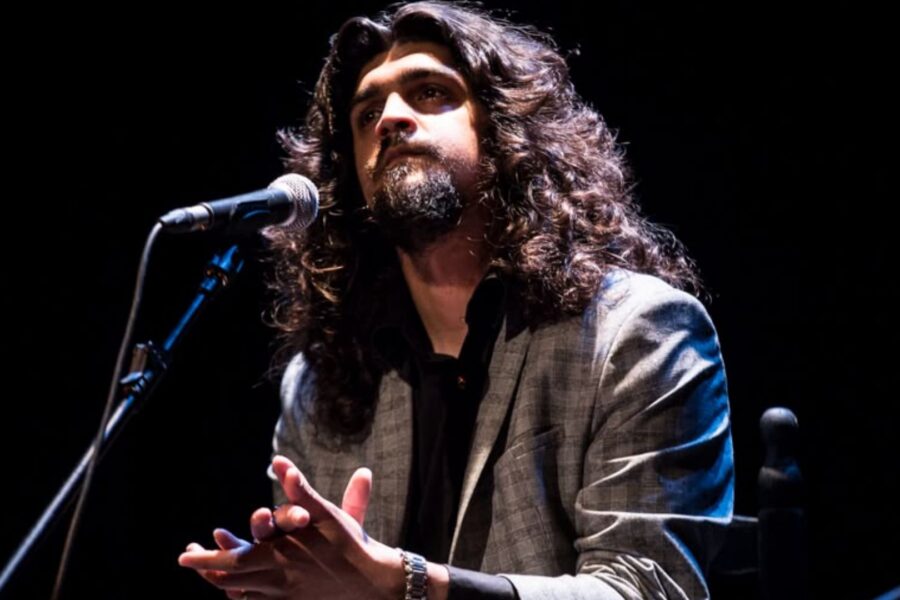
Flamenco cante hasn’t stood still. While some still picture it as something from another era, a generation of voices has taken it to theatres, festivals and audiences that would never have set foot in a peña. Today’s flamenco sounds like tradition, yes, but with its gaze fixed far ahead.
Flamenco cante today: tradition with global reach
The 90s were the great explosion: nuevo flamenco, the crossovers with other styles, the arrival on the charts. That’s the decade we come from, and anyone wanting to understand the present would do well to first revisit the flamenco singers of the 90s. Because what’s happening now is, to a large extent, their legacy.
What sets the singers of the 21st century apart is balance. They drink from the purest sources — la Niña de los Peines, Camarón, Morente — but they’re not afraid of big theatres, unexpected collaborations or taking cante to places it never used to reach. Estrella Morente and Marina Heredia, who were already emerging in the late 90s, remain in top form and have acted as a bridge between generations.
Israel Fernández
If one name sums up today’s young cante, it’s his. Born in Toledo but of Gitano roots and a deeply jondo sound, Israel Fernández has achieved something difficult: earning the respect of the most orthodox critics while filling venues with young audiences. His album Amor, alongside guitarist Diego del Morao, was one of those works that brings everyone into agreement. A broken voice, old and new at once.
Arcángel
From Huelva, Arcángel is one of the most versatile voices around. He masters classic cante like few others, but he has also ventured into Baroque music, into orchestras and into projects that widen flamenco’s borders without betraying it. His fandango de Huelva is a benchmark. When he sings, you can hear the schooling and you can hear the intelligence.
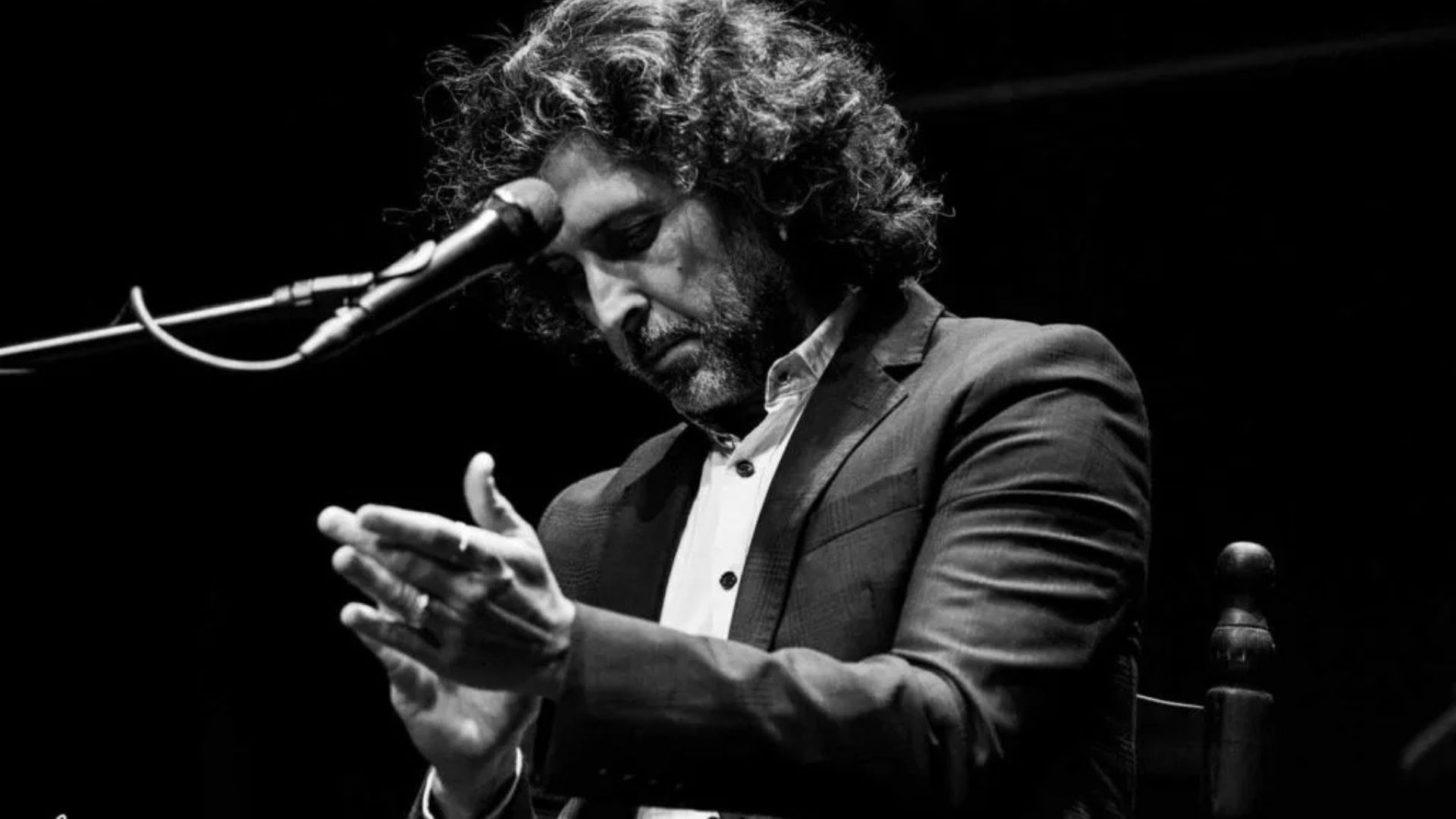
Arcángel, one of the great voices of today’s flamenco cante. Photo: Rafa Manjavacas / deflamenco.com
María Terremoto
The surname says it all: she is the granddaughter of Terremoto de Jerez and heir to one of the greatest dynasties of Jerez cante. But María Terremoto doesn’t live off her inheritance. She has earned her place with a personal, fearless voice that sounds like the Jerez of always and like a young woman of the 21st century. She is, perhaps, the finest example of the generational handover in cante.
Rocío Márquez
She won the Lámpara Minera very young and hasn’t stopped growing since. Rocío Márquez has a stunning technique and a curiosity that has led her to explore the limits of flamenco, crossing it with electronica and experimentation without ever losing the thread with tradition. She represents that part of today’s cante that looks forward without letting go of its roots.
Where to hear today’s flamenco cante live
Records are all well and good, but cante is truly understood when you have it a few metres away: the voice with no microphone in between, the quejío that raises goosebumps, the audience’s silence before the final flourish. That only happens live.
At Cardamomo, a reference for flamenco in Madrid since 1994, cante is the heart of every night. The names on this list won’t always be there — they’re figures who fill theatres — but the same living cante they drink from will be, in the mouths of the artists who pour out their voices on stage every night. The best way to understand today’s flamenco is to hear it sung.