

A very interesting origin
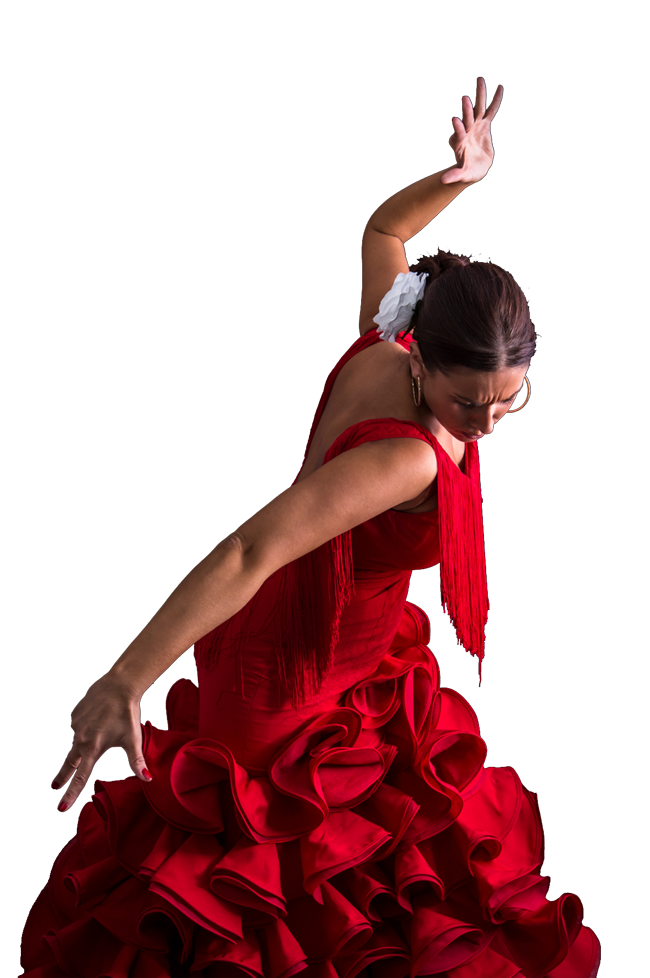
To trace the origins of the flamenco dress, we must go back to the peasants and Roma women who, hundreds of years ago, worked the land in Andalusia.
These women wore very distinctive garments, mainly colorful dresses with ruffles and embroidery. They made their own dresses themselves, with the aim of wearing something comfortable and cheerful to face their daily work.
The Andalusian women of the time stood out. Despite all the difficulties they faced due to belonging to a racial and gender minority, they preserved an eastern mystique and a distinctive sense of elegance.
Humble dresses with small details, yet especially eye-catching
This led wealthier women of the time to notice these dresses and begin copying their designs, replacing original fabrics such as percale with more expensive ones like lace or poplin, and modifying the shape and cut. Women of high society viewed the flamenco dress as attire for fairs and special events, rather than the original all-purpose garment worn by these pioneering Roma women.
Mantillas originate from the headdresses and veils of Iberian and Arab women. In the 17th century, they began to be made of lace, and until the 18th century they were worn by working-class women. In the 19th century, they became a distinguished garment worn by queens.
The flamenco dress: born at the fair and spreading everywhere
It was in 1929 that the flamenco dress became established as the official attire for attending the Seville April Fair. At the same time, it gained enormous international recognition, becoming a symbol of Spanish culture worldwide.
From that moment on, the evolution of the flamenco dress began—an evolution that has not stopped to this day.
In fact, it is the only regional costume that reinvents itself every year, and one that is showcased on runways and major fashion events.
The flamenco dress is alive
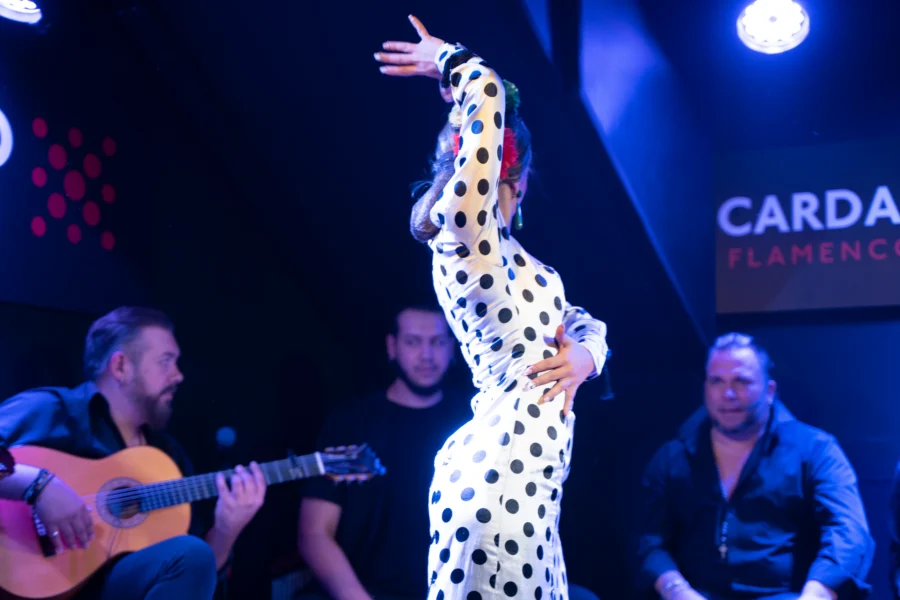
It is a design that is constantly renewed. Any adornment can find its place in the flamenco dress at a specific moment in history: fringes, lace, tassels… Some of these details appear only briefly in flamenco fashion, while others are here to stay. Yet there are always elements recovered from older trends, from its Roma and rural origins, already familiar to us today. A clear example is ruffles and polka dots.
More flamenco than a polka dot—there must be a reason.
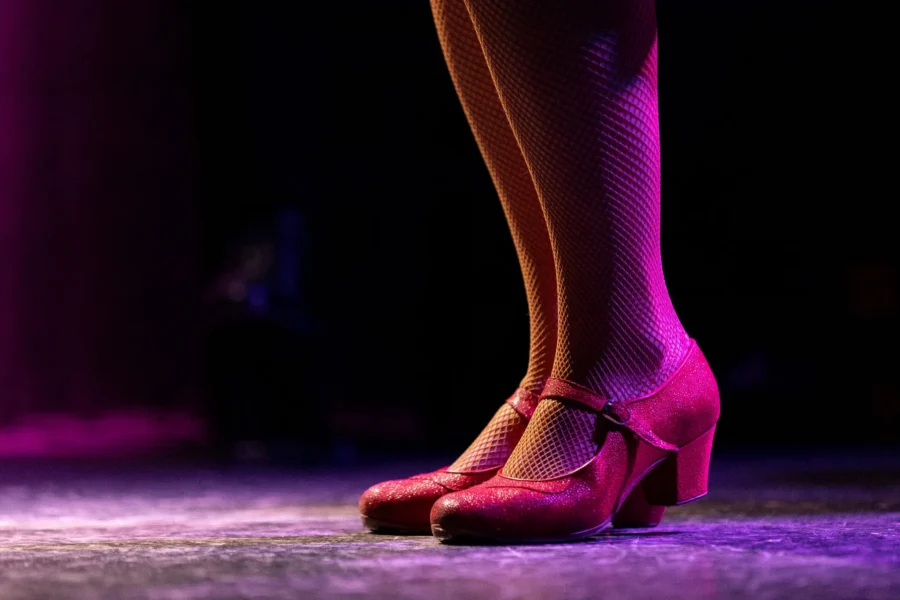
Over the years, female flamenco dancers adopted this dress as their stage costume, embellishing it with ornaments, fabrics, lace, shawls…
The essence remains the same as in its origins. You will always recognize a flamenco dress when you see one.
When did men start dressing in flamenco style?
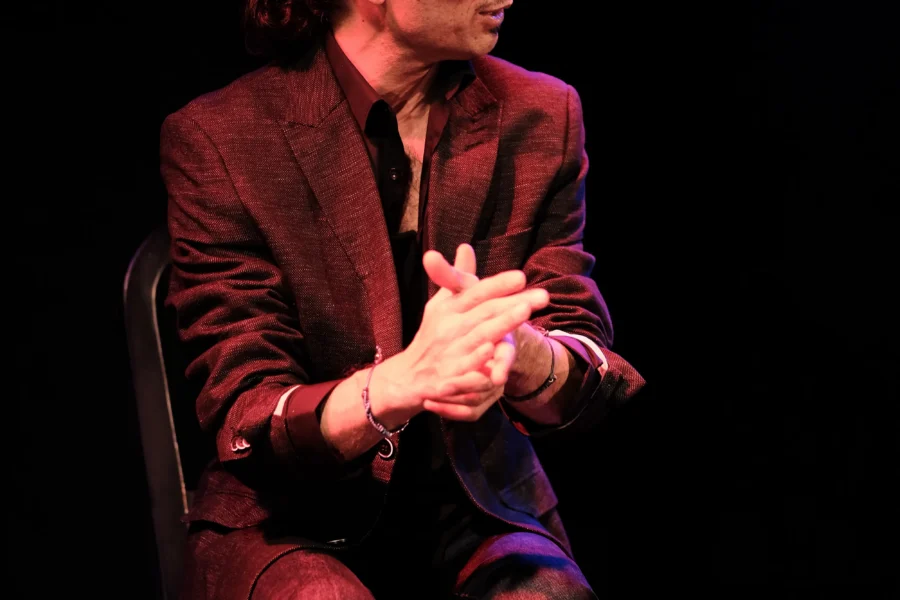
Roma men—especially dancers and singers—have always been known for their distinctive and stylish way of dressing. With great personality, they improvised their outfits, mixing the classic look of a perfectly pressed white shirt with patterned scarves, hats, jackets, and sashes.
The men’s flamenco outfit became officially established once the women’s dress was already common at the fair. It could be said that it was formalized as a complementary attire.
It could be said that men began dressing officially in flamenco style by inertia.
This does not mean it has not undergone evolution, but when compared to the flamenco dress for women, there are not many similarities in the historical paths of these two garments. Without a doubt, the women’s dress wins that race.