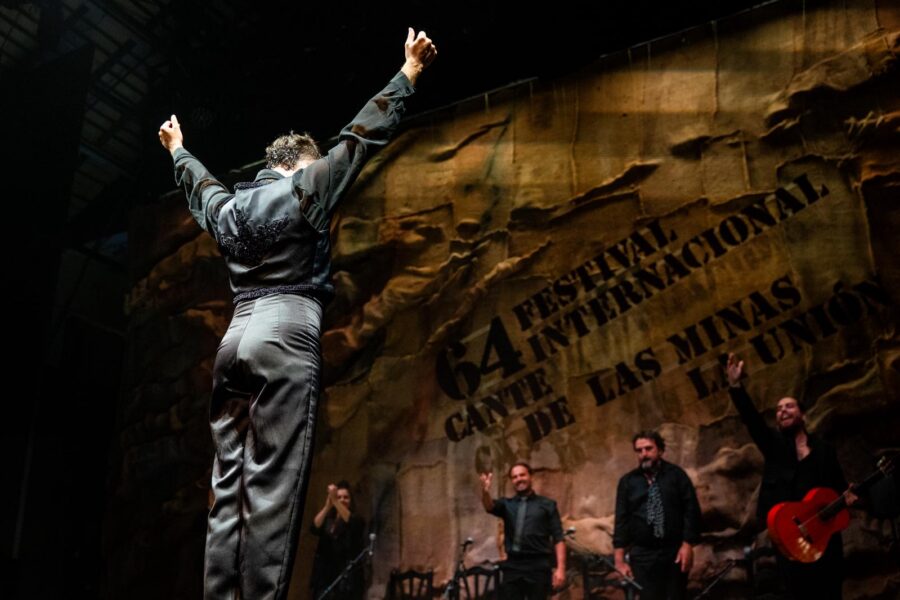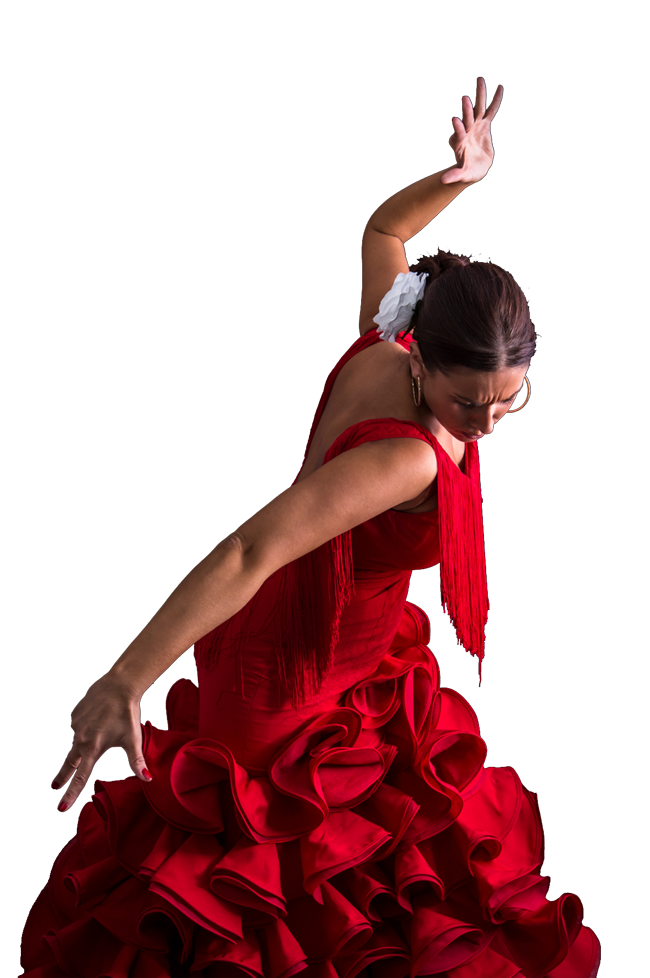


Unlike its predecessors, the flamenco tablaos offered a space where exclusively flamenco performances were presented, including singing, guitar playing, and dance.
At this time, the growing interest in tourism and in bringing flamenco closer to a new audience meant that gastronomy and art came together in a unique space, open to all kinds of spectators.
This led many artists from outside Madrid to migrate to the capital in search of work. Tablaos became the school where new artists were trained and many others perfected their art.
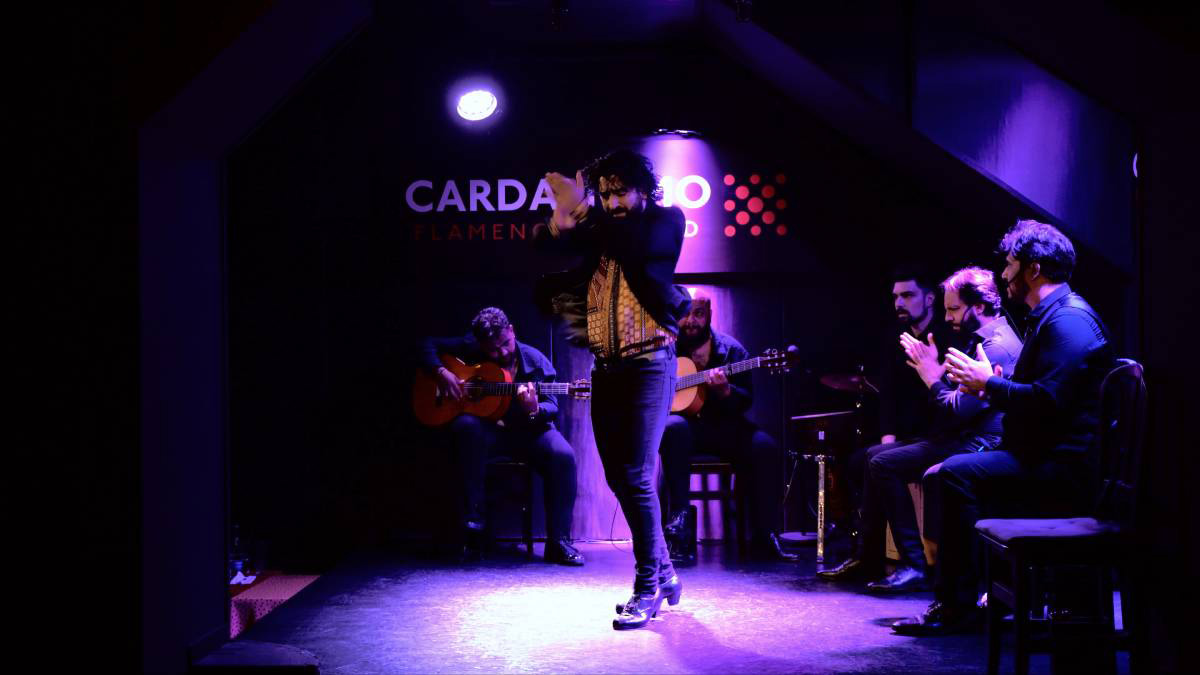
We can consider “Zambra”, founded in 1954, as the first tablao in Madrid, although there had previously been performance spaces such as the Colmao Villa Rosa (currently Tablao Flamenco 1911), located in Plaza de Santa Ana.
Over the decades, flamenco tablaos have evolved, offering a variety of approaches — from spaces where gastronomy is the main focus to others distinguished by their artistic quality.
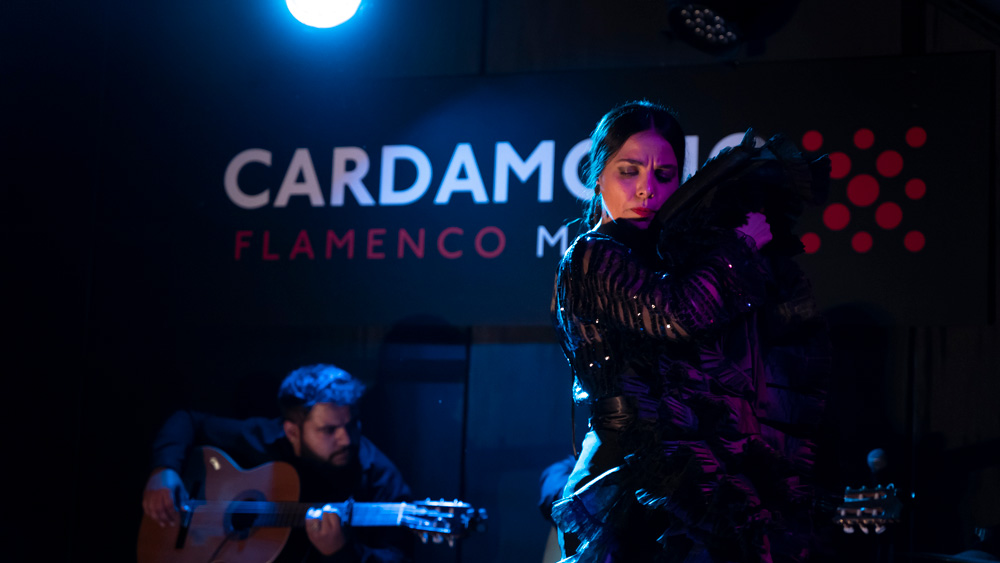
At the end of the 1990s, spaces emerged that aligned with the moment flamenco was experiencing— a new wave of young talents who embraced modernity and urban flamenco.
Among these venues, Cardamomo appeared. A meeting place for those figures of the new flamenco, which has succeeded in combining a modern proposal with flamenco tradition.
In this tablao, daily shows are currently held, allowing audiences to enjoy an authentic flamenco experience alongside the best artists on the national scene.